
Top Posts
- India’s pharma sector grew ~7-9% expected in FY26
- Obesity drugs are shedding their niche label in India
- Sanofi finalizes a $2.2B acquisition of Dynavax
- India’s Industrial & Warehousing Real Estate Poised for a Major Boom
- Renewable Energy Growth Disrupts Global LNG Markets
- AI Shifts Focus From Efficiency to Cybersecurity: The New Digital Defense Era
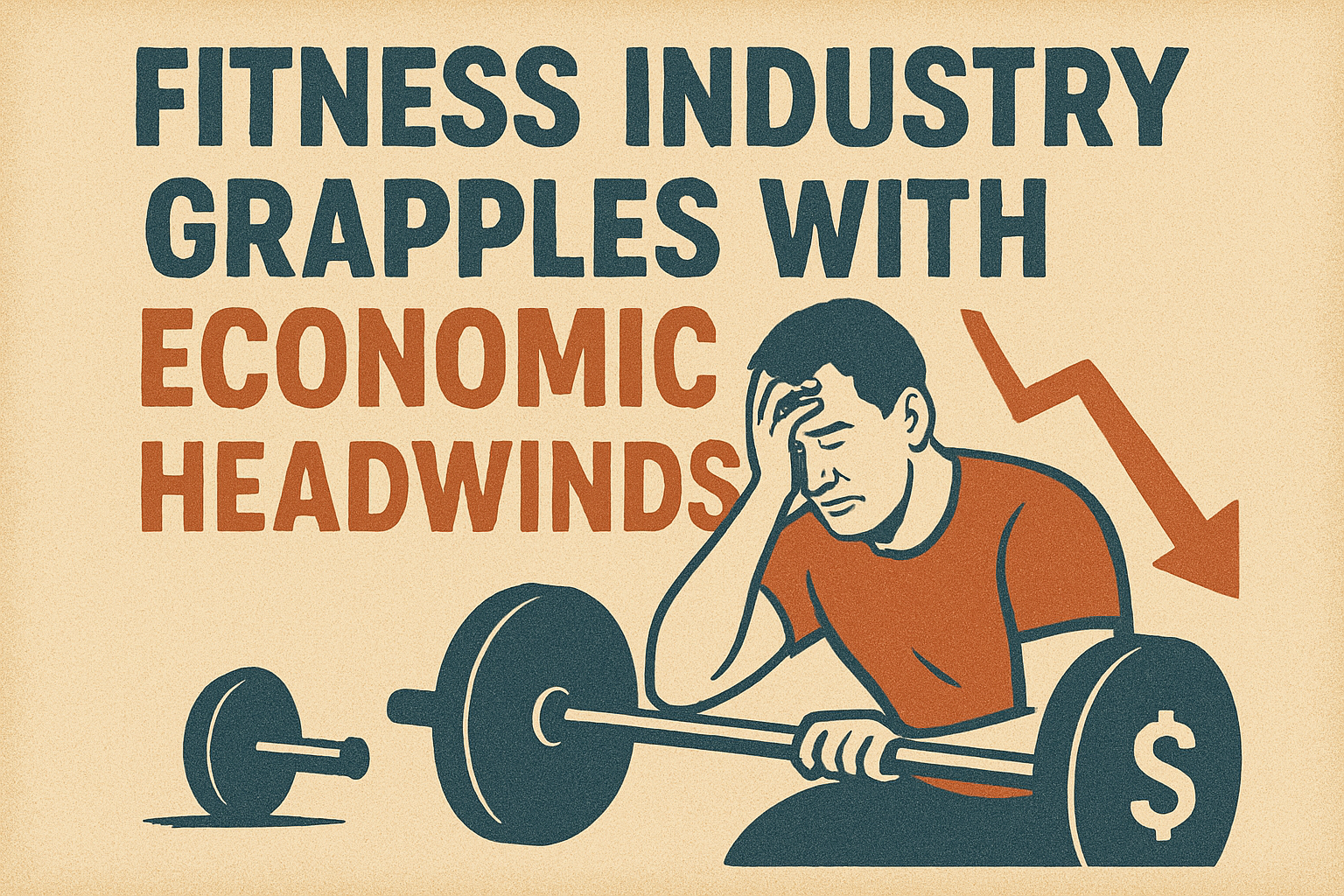
Fitness Industry Grapples with Economic Headwinds
The fitness industry is in a period of mixed market signals today-strong interest by consumers in wellness is offset against the persistent challenges of inflation, rising operational costs, and changing consumer preferences since the pandemic.
Key Economic Headwinds
Inflation and Economic Uncertainty: Ongoing inflation and general economic uncertainty are the main concerns. Consumers, particularly in the price-sensitive mid-market, may consider fitness memberships a discretionary expense that is first to be cut or eliminated during a downturn.
Operational Costs on the Rise: Increasing expenses related to facility maintenance, utilities, equipment upgrades, and personnel salaries squeeze profit margins and challenge financial stability for gym owners.
Post-Pandemic Behavioral Changes: Whereas many customers have returned to in-person workouts, the pandemic accelerated the adoption of digital and hybrid fitness solutions. The “work-from-home” trend continues to impact the viability of fitness centers in central business districts, where commuting patterns have changed.
Intense Competition and Market Polarization: The market has become so saturated that it is very competitive, with “polarized performance” between high-value, low-price gyms-like Planet Fitness-and premium, full-service clubs, such as Equinox. Mid-tier and boutique studios suffered most during the pandemic, and many still struggle to rebuild membership bases.
Recent News