
Top Posts
- India’s pharma sector grew ~7-9% expected in FY26
- Obesity drugs are shedding their niche label in India
- Sanofi finalizes a $2.2B acquisition of Dynavax
- India’s Industrial & Warehousing Real Estate Poised for a Major Boom
- Renewable Energy Growth Disrupts Global LNG Markets
- AI Shifts Focus From Efficiency to Cybersecurity: The New Digital Defense Era
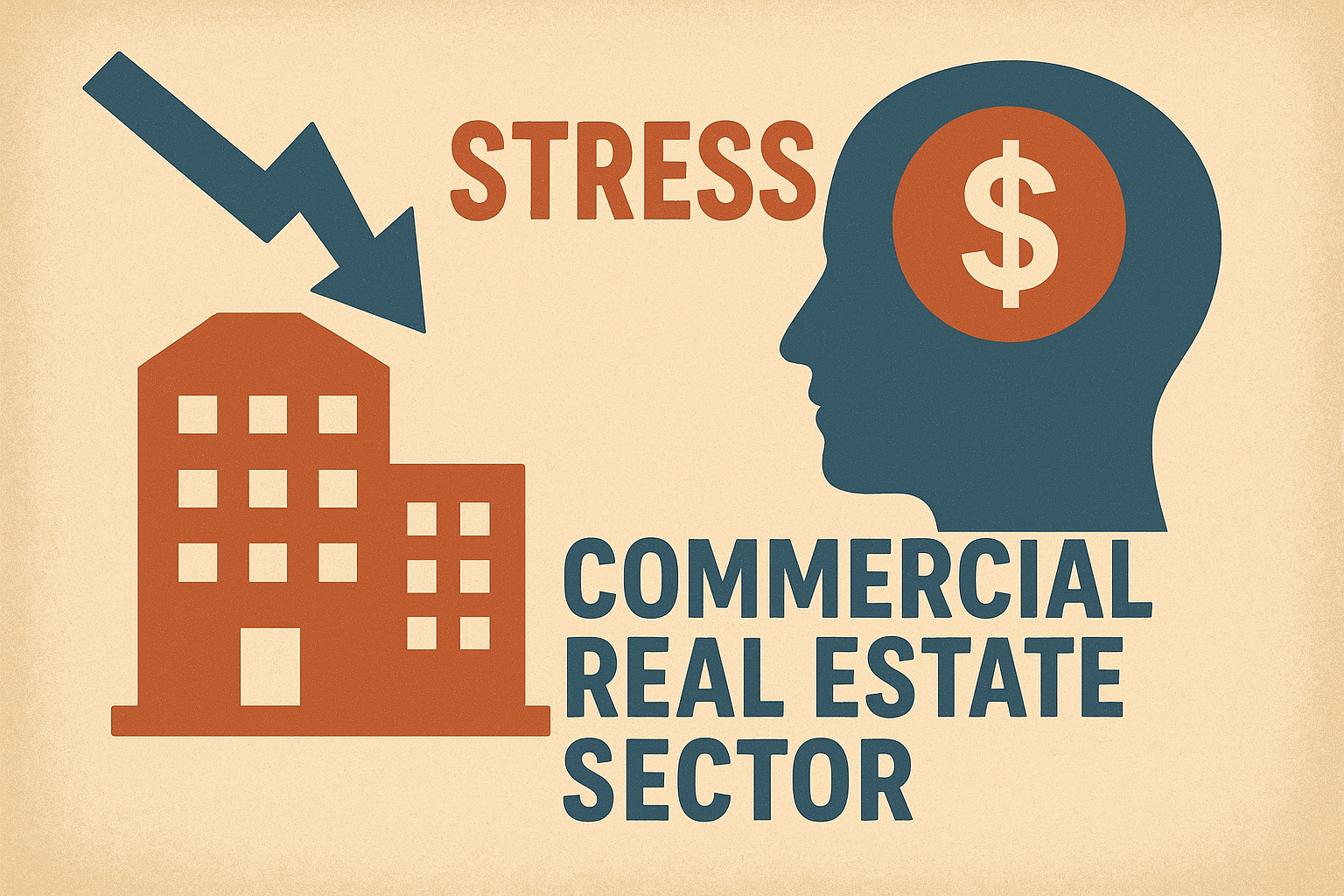
Commercial Real Estate Sector Stress
Commercial real estate sector stress is driven by higher interest rates, remote work trends, and a large volume of maturing debt-particularly in the office sector-leading to higher financing costs, declining property values, and increased risk of defaults. The office sector remains particularly vulnerable to these changes as pandemic-driven shifts toward hybrid and remote work have led to reduced demand, higher vacancies, and falling rents, further compounded by high and rising operating costs, including insurance.
Key drivers of stress
Higher interest rates mean increased costs of refinancing for existing loans and more expensive new debt, which hurts property values since returns decline.
- Remote and hybrid work: The permanent shift to remote and hybrid work models has drastically reduced the demand for office space, raising vacancy rates and subsequently reducing rental income.
- Maturing debt: Much commercial real estate debt is maturing over the next few years, a lot of it linked to the office and retail sectors. If the values of properties are down, borrowers may not be able to refinance on good terms, increasing the risk of defaults.
- Increasing operating expenses: Some factors include increasing insurance costs that raise the financial burden on the property owners.
Recent News